





Crockery
Shop by collection




Building a Crockery Set for Every Occasion
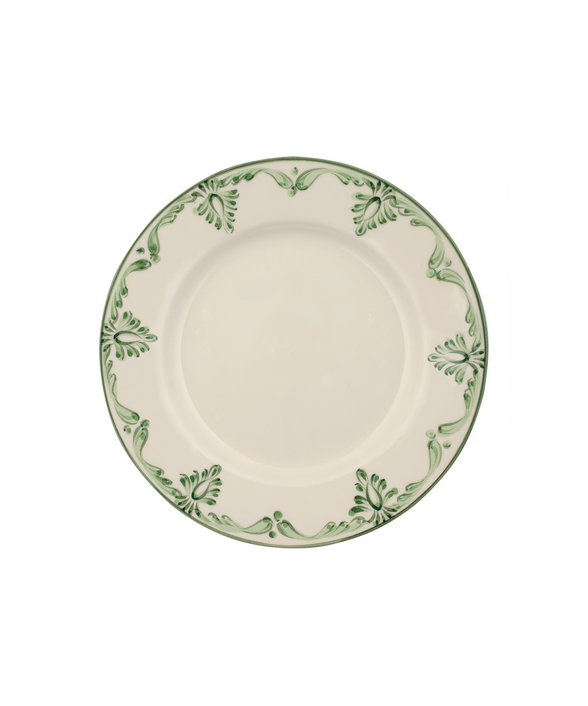
A considered tableware collection rewards a little planning. We've found that starting with a calm classic crockery set gives you the foundation for everything else, whether that’s a simple white or a softly coloured border that harmonises with the room. From there, painted and richly patterned pieces can be layered in to create contrast, or for meals that deserve a little more presence on the table.
For dinner parties or intimate gatherings, our decorative dinnerware pairs beautifully with Murano glassware and hand-painted platters and serveware. Add linen napkins and natural-fibre rattan placemats and the textures play off one another beautifully.
Every piece in our collection is chosen for longevity, timeless character and the pleasure of using beautiful things morning, noon and night. Explore our Best of Table edit to see how our most beloved ranges work together.
Frequently Asked Questions
If you still have some questions please do feel free to get in touch with us.

What is the difference between porcelain, fine bone china and stoneware crockery?
Porcelain is fired at very high temperatures from a refined clay body. This gives it a smooth, slightly translucent surface and considerable strength for its weight. Fine bone china includes bone ash in the mix, lending it warmth and an even more delicate appearance. Stoneware is heavier, more rustic in feel, and prized for its durability and earthy glazes.
Is hand-painted crockery dishwasher safe?
This depends on the piece and the technique. Many of our hand-painted ranges are dishwasher safe at lower temperatures, though we recommend gentle cycles and avoiding heavy detergents to preserve the finish. Pieces with gilded or metallic detail should always be washed by hand. Care instructions are noted on each individual product page.
How many place settings do I need in a crockery set?
A six- or eight-place setting tends to be the most useful starting point for most homes. This is generous enough for hosting, but still practical enough for daily use. Some prefer to begin with a small core of versatile pieces (dinner plates, side plates, bowls) and build from there over time.
What makes European crockery different from other crockery?
European porcelain and pottery traditions go back centuries, with techniques refined across generations of family workshops. The craftsmanship tends to show in fired-on glazes that resist fading, hand-painted detail with painterly variation, and clay bodies developed for both strength and beauty. These are pieces shaped for longevity, with character that deepens through years of use.
Can hand-painted crockery be used in the microwave or oven?
Most of our hand-painted crockery collections are not designed for oven use. Microwave safety varies by glaze and decoration, so we recommend checking the care notes on individual product pages. Treating your hand-finished crockery with care will help to extend its life.
What's included in a typical crockery set?
A standard place setting usually includes a dinner plate, side or starter plate, and a soup or cereal bowl. However, many of our collections also offer additional pieces, including pasta bowls, dessert plates, mugs and serving platters. Each piece in our crockery range is sold individually, allowing you to build your own crockery set in a way that works for your table.


Elevate the Everyday
Discover the Collections